photo by Andrew
The Shift from Hero Shots to Headspace: Fly Fishing’s Mental Health Movement Gains Momentum
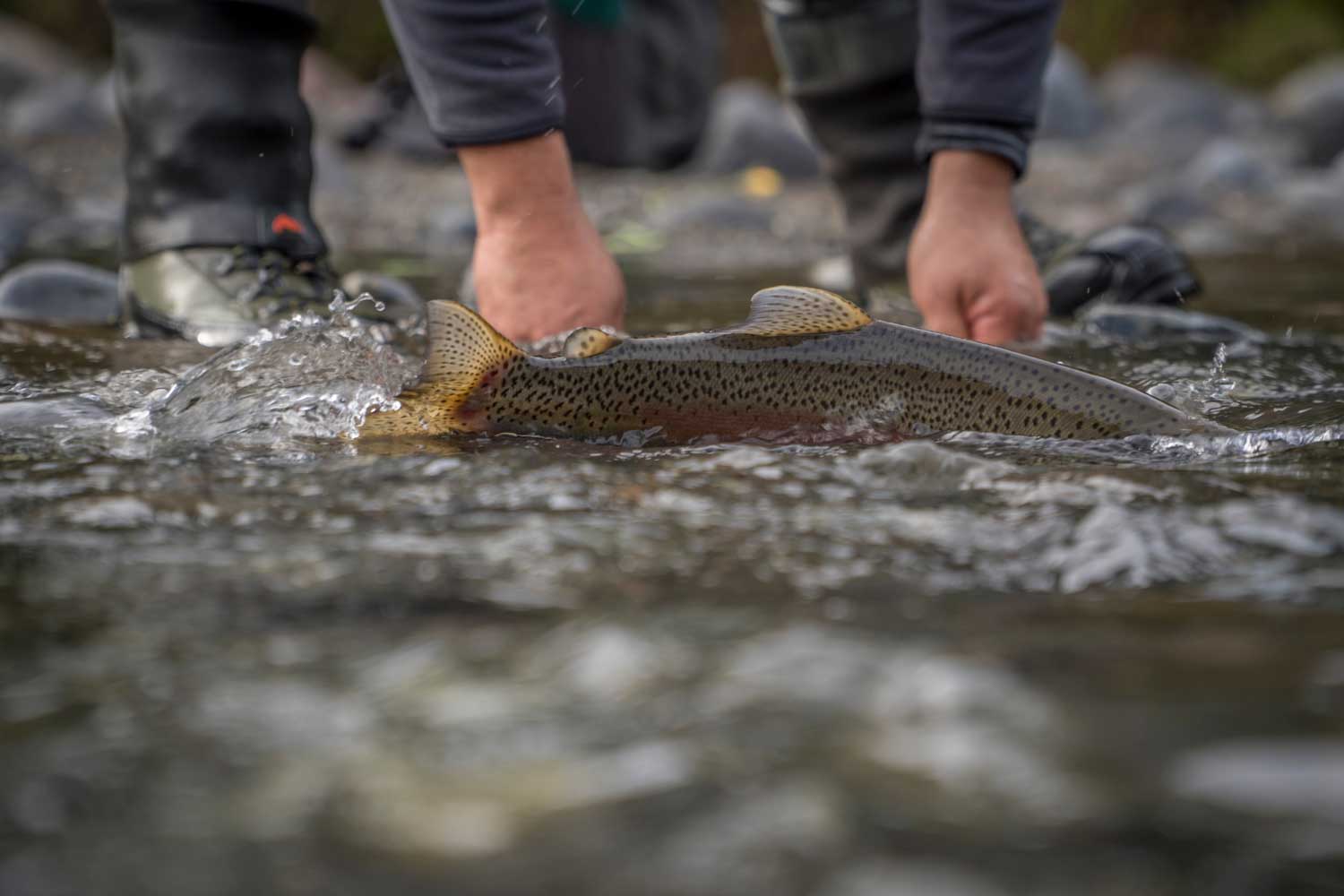
As the fly fishing community settles into the new year, a notable shift in focus has emerged across industry publications, social media, and year-end reflections. Rather than the traditional emphasis on catch statistics and trophy photos, anglers and brands alike are increasingly highlighting the sport’s therapeutic value and its role in mental wellness.
The trend, which accelerated through the final weeks of 2025, shows younger participants—particularly Gen Z anglers—gravitating toward fly fishing for reasons beyond the catch. Outlets like Country Living noted in late December that this demographic is drawn to the sport’s “slow focus and mind-body engagement,” a stark contrast to the instant gratification culture often associated with their generation.
The anecdotal shift is supported by growing research on nature-based therapy and outdoor recreation. Recent studies have documented measurable reductions in cortisol levels and improved symptoms of anxiety and depression among participants in fly fishing programs. The rhythmic, repetitive nature of casting—combined with the focused attention required to read water and match hatches—creates what researchers call a “flow state,” a meditative condition linked to reduced rumination and improved emotional regulation.
Mental health professionals have begun incorporating fly fishing into formal treatment protocols. Programs like Project Healing Waters and Warriors and Quiet Waters continue to expand, reporting significant improvements in PTSD symptoms and overall wellbeing among veteran participants. The combination of moderate physical activity, time in natural settings, and the problem-solving aspects of the sport appears to offer benefits that extend beyond traditional talk therapy.
Industry voices are reinforcing this message. Trout Unlimited’s 2025 Annual Report emphasized “Nature heals” as a core organizational value, while Orvis has produced content featuring licensed therapists discussing what they call “therapy without walls.” Even technical resources like Flylab have shifted focus, acknowledging not just the physical but psychological demands of the sport.
The shift is evident in how anglers are framing their own experiences. A December 29 post from Fly Fish Mend captured the sentiment directly: “Being on the river is my therapy and my church.” Observer Today observed that late-season outings have become “less about harvest totals and more about tradition, patience, and reflection.”
As the 2026 season approaches, this reframing of fly fishing’s value proposition—from conquest to connection, from statistics to mental clarity—appears to be more than a passing trend. It represents a fundamental shift in how both participants and the industry understand the sport’s place in an increasingly stressed society.
Trending Products